






Why manufacturers should consider customs classifications when planning international product approvals.
When manufacturers prepare to export electrical, electronic, or wireless products, they typically focus on product safety, EMC testing, wireless certification, and international type approvals.
However, one important factor is sometimes overlooked: the product's Harmonized System (HS) Code.
While HS Codes are primarily used for customs classification and import duties, certain countries also reference these classifications when identifying products subject to mandatory regulatory requirements.
An incorrect classification can lead to missing compliance documentation, unexpected certification requirements, or customs clearance delays.
What Is an HS Code?
The Harmonized System (HS) is an internationally standardized product classification system administered by the World Customs Organization (WCO).
The international system uses six-digit classifications, while individual countries may introduce additional digits for more detailed national tariff categories.
For manufacturers, these classifications can also be relevant when determining whether products are subject to mandatory conformity assessment requirements.
How Do HS Codes Affect Product Certification?
In certain countries, national tariff classifications are referenced in regulations or government import platforms to identify products subject to mandatory product certification.
Depending on the destination market, these may include requirements related to product safety, EMC, telecommunications, or other technical regulations.
However, manufacturers must also evaluate the product's actual functionality, technical specifications, and applicable regulatory scope.
Recent regulatory developments in Mexico, Taiwan, and Saudi Arabia provide practical examples.
Mexico: HS Codes and NOM Certification
Mexico recently amended Annex 2.4.1 of its foreign trade regulations to clarify which tariff classifications are subject to mandatory Mexican Official Standards (NOM) compliance at importation.
The amendments address certain telecommunications products, including equipment associated with mobile communication technologies.
For affected manufacturers, verifying both the correct tariff classification and applicable NOM requirements is essential to avoiding certification and customs clearance complications.
Related Nemko Regulatory Update:
Clarification of Telecom Product Types Subject to Certification in Mexico
Taiwan: HS Codes, BSMI and New Cybersecurity Requirements
Taiwan's Bureau of Standards, Metrology and Inspection (BSMI) references commodity classification codes when identifying products subject to mandatory inspection.
In October 2026, Taiwan announced updated inspection requirements introducing cybersecurity testing standards for designated connected IT and audiovisual equipment.
For example, the regulation references Taiwan commodity classification 8517.62.00.90.6B for certain networking products, including routers, switches, bridges, hubs, and gateways, with updated inspection requirements taking effect from July 1, 2028.
The applicable cybersecurity assessment requirements also depend on the product's technical characteristics, network connectivity, and regulatory scope.
This highlights the importance of evaluating both commodity classifications and technical requirements when planning certification.
Official Regulatory Reference:
Taiwan BSMI – Cybersecurity and Product Inspection Requirements (Official PDF, Chinese)
Related Nemko Regulatory Update:
Taiwan Introduces New BSMI Cybersecurity Requirements: What Manufacturers Need to Know
Saudi Arabia: HS Codes and SABER Certification
Saudi Arabia provides another example of how HS Codes are used to identify products subject to mandatory conformity assessment requirements.
Through the SABER platform, manufacturers and importers can reference HS Codes to help identify applicable Saudi technical regulations and product certification requirements.
Depending on the product classification and applicable regulations, certain products may require a Product Certificate of Conformity (PCoC) and a Shipment Certificate of Conformity (SCoC) before importation.
Manufacturers should verify their product classifications and applicable SABER requirements before shipping to Saudi Arabia, as regulated product categories and associated requirements may change.
Official Regulatory Reference:
Saudi Arabia SABER – HS Code Search and Regulatory Requirements
What Happens if the Wrong HS Code Is Used?
Incorrect customs classifications or incomplete regulatory assessments can result in:
- Missing mandatory certification documentation
- Unexpected testing or certification costs
- Customs clearance delays or shipment holds
- Discrepancies between product descriptions and certification documents
- Delays in product launches and international distribution
Manufacturers should work with their importer, customs broker, or appropriate customs authority to confirm the correct classification and separately assess applicable technical regulations.
How Can Nemko Help?
Nemko's Global Market Access (GMA) experts help manufacturers navigate country-specific testing and certification requirements for electrical, electronic, and wireless products.
Our services include:
- International regulatory applicability assessments
- Country-specific product certification and type approval
- Evaluation of existing test reports and certificates
- Certification planning across multiple markets
- Coordination of local testing and conformity assessment activities
By evaluating regulatory requirements early, manufacturers can better plan their compliance strategy and reduce the risk of unexpected delays.
Expanding Into International Markets?
Could your product's classification affect its certification or customs clearance?
Nemko's Global Market Access specialists can help identify applicable regulatory requirements and develop a certification strategy for your target markets.
Explore Nemko's Global Market Access Services
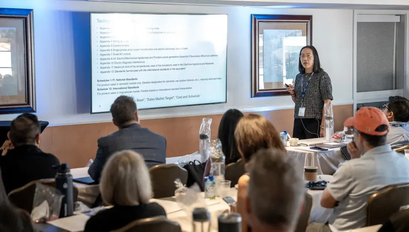
Meet Nemko's Experts at Compliance Without Complexity
International product compliance goes beyond HS Codes. Manufacturers must also navigate evolving product safety, EMC, wireless, cybersecurity, and country-specific regulatory requirements.
Join Nemko at our upcoming Compliance Without Complexity events to gain practical insights, discuss certification challenges, and connect directly with our technical and regulatory specialists.
Irvine, California — December 8, 2026
3:00 PM – 7:00 PM PST
Explore topics including Global Market Access, IEC 62368-1 Fourth Edition, EMC compliance, and the EU Cyber Resilience Act.
Learn More and Register – Irvine, CA
Austin / Round Rock, Texas — December 9, 2026
12:00 PM – 4:00 PM CST
Connect with Nemko's specialists to explore product safety, EMC/RF, cybersecurity, and international certification requirements.
Learn More and Register – Austin / Round Rock
Have compliance questions? Bring them to our experts!
Nemko | Compliance Without Complexity
Related Nemko Insights
Ask a Nemko Expert
Can an Incorrect HS Code Affect Product Certification Requirements and Delay Customs Clearance?
Mexico Regulatory Update
Clarification of Telecom Product Types Subject to Certification in Mexico
Taiwan BSMI Cybersecurity Requirements
Taiwan Introduces New BSMI Cybersecurity Requirements: What Manufacturers Need to Know
Saudi Arabia SABER HS Code Search
Search HS Codes and Applicable Saudi Regulatory Requirements