








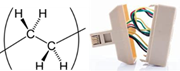
Plastics play a crucial role in the design and performance of electrical and electronic equipment. The first plastic material which became a real success was Bakelite which is formed from phenol with formaldehyde. It was developed already in 1907 by the Belgian American chemist Leo Baekeland.
For electrical products, it was used for electrical insolation, typically in radio and telephone casings, room switches, plugs and socket outlets.
Modern plastics are derived from organic fossil materials such as crude oil, natural gas, coal and, in more recent years, from bio-matter.
Their unique combination of electrical insulation, light weight, durability, and design flexibility has made them indispensable in all electrotechnical sectors, because:
-Plastics such as PVC, polyethylene, and polycarbonate provide excellent resistance to electrical conduction, ensuring safety in wiring, circuit boards, and housings.
-Being lighter than most metals, plastics reduce the weight of devices while maintaining mechanical stability.
-The resistance to chemicals & moisture protects sensitive electronics from corrosion and environmental damage.
-Plastics can be easily molded into complex shapes, enabling compact and ergonomic product designs.
-Mass production of plastic components is typically less expensive than using metals, ceramics, or composites.
Growing environmental concerns, including dependence on fossil-based material and plastic waste accumulation have led regulators to consider restrictions on certain plastics.
So, for electrical and electronic products, what could replace plastics if their use becomes limited?
• Bioplastics and bio-based polymers such as polylactic acid (PLA) or bio-polyethylene, derived from renewable sources, offer similar properties with reduced environmental impact.
• Natural fiber composites, which combine plant fibers (hemp, flax, jute) with biodegradable resins to create strong, lightweight panels and housings.
• Ceramics and glass with excellent electrical insulation and thermal stability but are heavier and more brittle than plastics.
• Metal alloys, such as aluminum and magnesium can replace some structural roles, but they require additional insulation layers which increase weight.
• Paper-based laminates for printed circuit boards (e.g., phenolic paper laminates), offer good insulation but limited flexibility.
While plastics will remain vital to electrical and electronic equipment for the foreseeable future, the sector must prepare for growing environmental pressures and regulators demanding alternatives. Changing to sustainable, recyclable, and bio-based materials will not only ensure regulatory compliance but may also strengthen brand responsibility and innovation potential.
More information about this topic is available e.g. here and at here.
(This article is based on the various articles available on internet; edited by T.Sollie)